Blog

  • Best Practices for Locking Apps and Safeguarding Personal Data

    Best Practices for Locking Apps and Safeguarding Personal Data

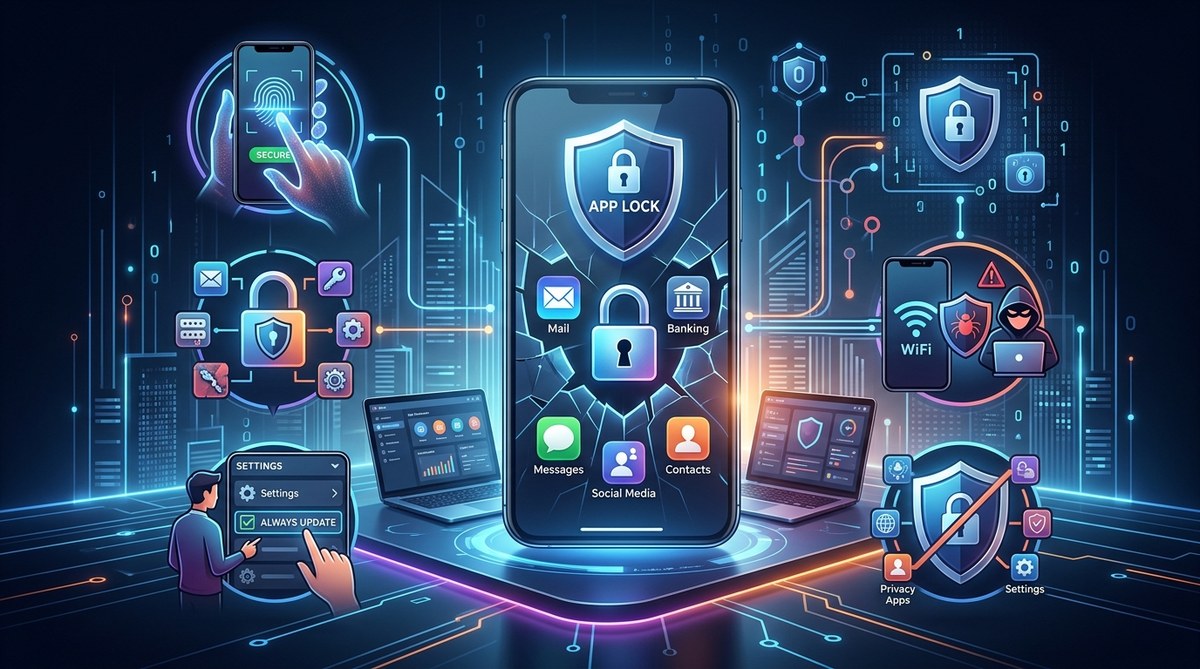
    Securing mobile apps and protecting your personal data is more important than ever. With increasing digital threats, privacy breaches, and hacking attempts, knowing how to keep your information safe is essential. Whether you’re a developer building secure apps or a privacy-conscious user safeguarding your data, following best practices can make a significant difference. This guide walks you through practical steps and tips to enhance app security and protect your personal information effectively.

    Key Takeaway

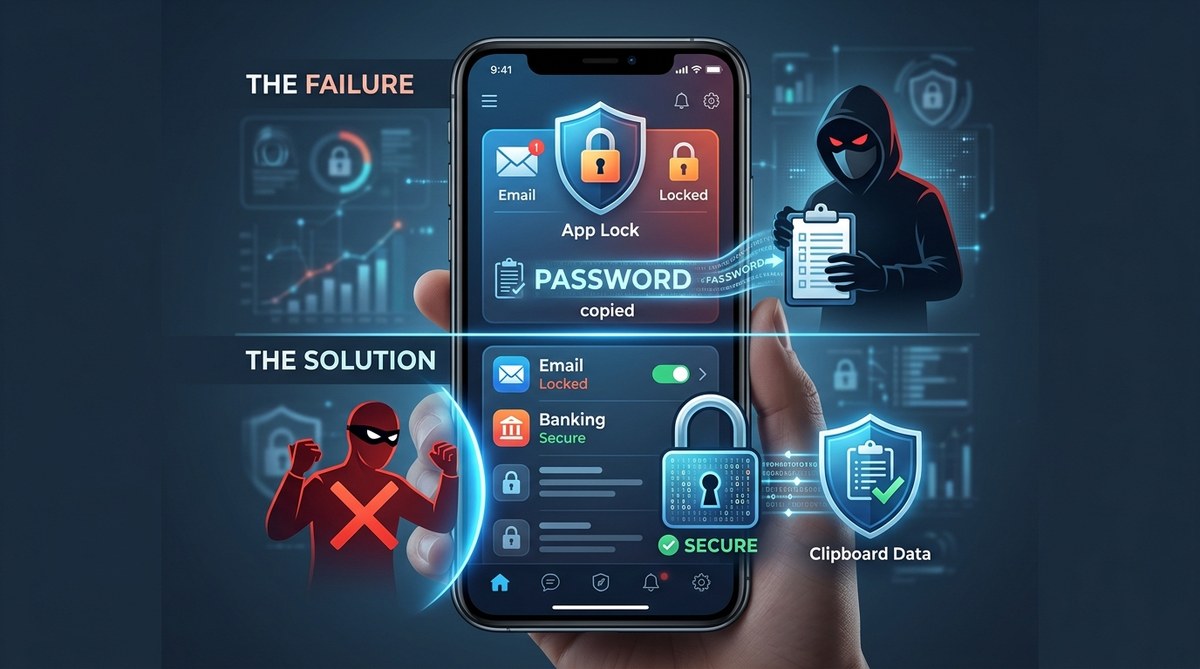
    Implementing strong passwords, enabling multi-factor authentication, keeping software updated, and using encryption are vital for safeguarding your data. Regularly reviewing permissions and staying vigilant against threats help maintain your privacy and security across all apps.

    Understanding the importance of app security and data protection

    In today’s digital age, apps serve as gateways to our personal lives. They store sensitive information like banking details, health records, contact lists, and private messages. When these apps lack proper security measures, hackers can exploit vulnerabilities to steal data or compromise devices. Building or choosing apps with security in mind isn’t just good practice; it’s necessary to prevent financial loss, identity theft, or privacy violations.

    Establishing strong security foundations for your apps

    Creating secure apps starts with core principles that protect user data and prevent unauthorized access. Here are key practices to embed from the beginning:

    • Use robust encryption techniques for data at rest and in transit. Encryption converts data into unreadable code, reducing the risk if intercepted.
    • Implement secure authentication methods. Passwords alone aren’t enough. Multi-factor authentication adds an extra layer of security.
    • Keep your app and all related software updated. Regular updates patch security flaws and keep threats at bay.
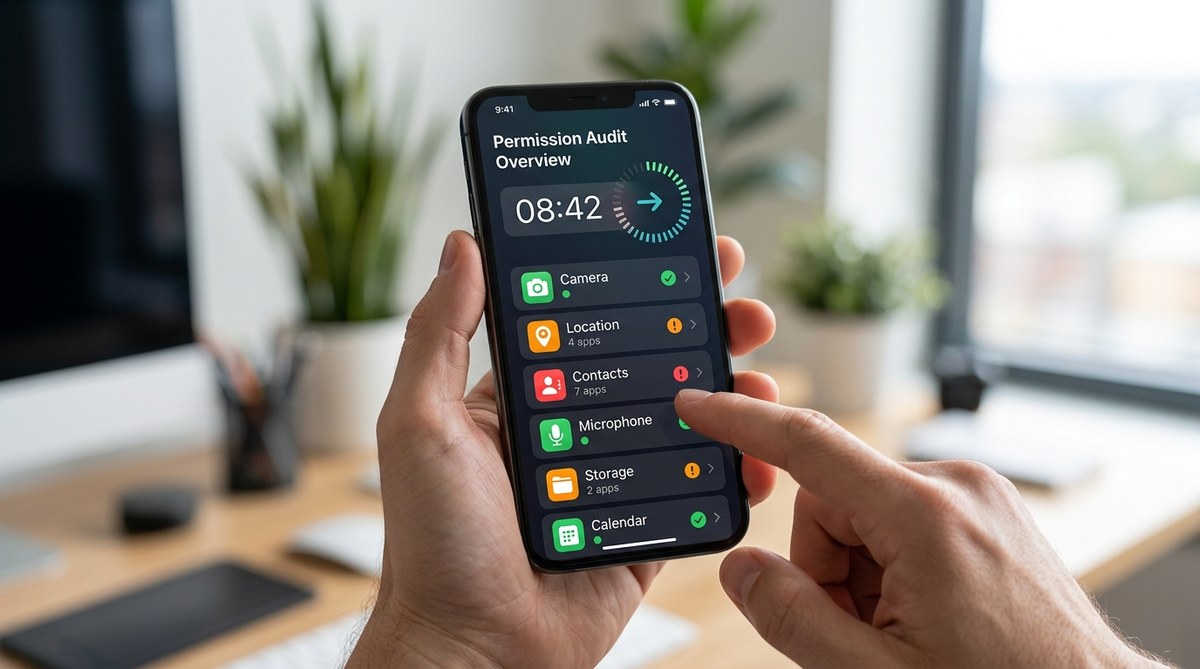
    • Limit access permissions to only what is necessary. Over-permissioned apps can open doors for exploitation.
    • Conduct regular security testing, including vulnerability scans and penetration tests, to identify and fix weak points before attackers do.

    Practical steps to enhance your app security

    Follow these numbered steps to bolster your app’s defenses:

    1. Create and enforce strong password policies: Encourage users to set complex passwords combining letters, numbers, and symbols. Never store passwords in plain text. Use hashing algorithms like bcrypt to secure them.
    2. Enable multi-factor authentication (MFA): MFA requires users to verify their identity through a second method, such as a code sent to their device. This significantly reduces unauthorized access risks.
    3. Keep software and libraries up to date: Regularly update your app’s codebase, libraries, and dependencies. Developers often release patches for security vulnerabilities.
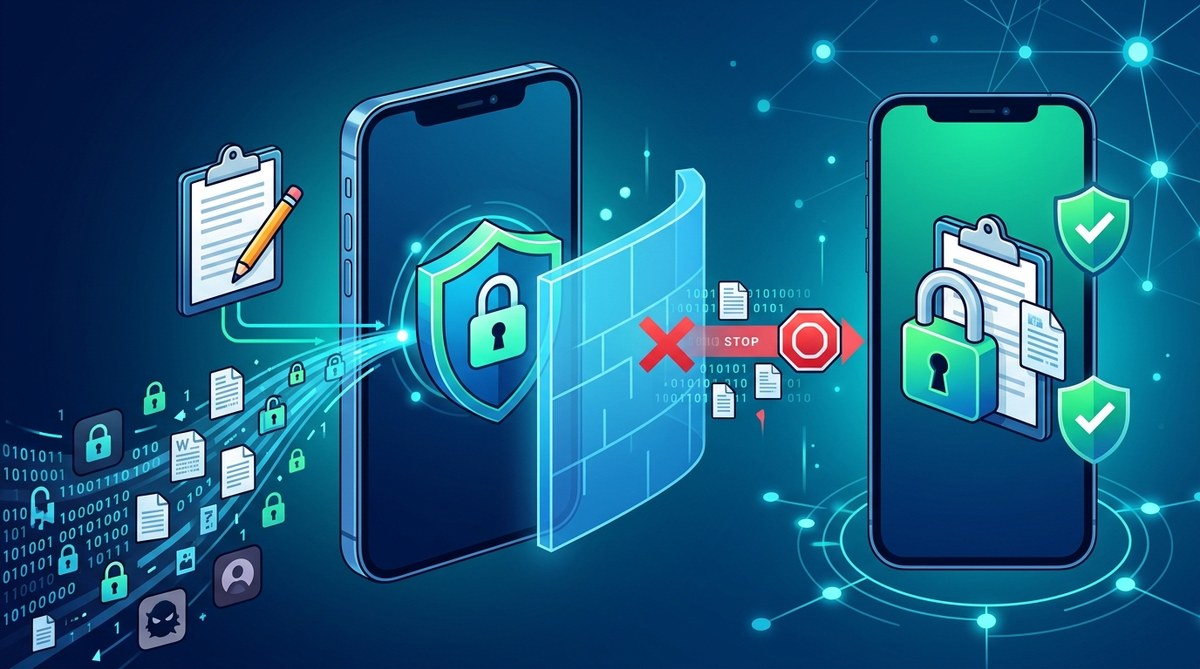
    4. Encrypt sensitive data: Use industry-standard protocols like AES for data stored locally and TLS for data transmitted over networks.
    5. Limit app permissions: Request only the permissions necessary for your app’s functionality. Regularly review and revoke unnecessary permissions.
    6. Implement session timeouts and logout features: Automatically log users out after a period of inactivity to reduce risk if devices are lost or stolen.
    7. Conduct security audits and code reviews: Regularly evaluate your app’s security posture. Use automated tools and peer reviews to catch vulnerabilities early.
    8. Educate your users: Inform users about security best practices, such as avoiding public Wi-Fi for sensitive transactions or not sharing login credentials.

    Common mistakes that compromise app security

    Understanding what not to do is equally important. Here are typical errors that weaken your security:

    Technique Mistake
    Using weak passwords Using simple, guessable passwords
    Storing unencrypted sensitive data Leaving personal info exposed on devices
    Ignoring software updates Failing to patch known vulnerabilities
    Over-permissioned apps Asking for access to features or data unnecessary
    Lack of multi-factor authentication Relying solely on passwords
    Poor session management Not auto-logging out or session expiration

    Expert advice on staying ahead of threats

    “Security isn’t a one-time setup but a continuous process. Regularly reviewing app permissions, updating software, and educating users about risks are key to maintaining safety.” – cybersecurity expert Jane Doe

    Keeping your data protected in a mobile-first world

    Protection doesn’t stop with app design. Users need to adopt habits that reinforce security. Simple actions like avoiding public Wi-Fi for banking, enabling device encryption, and periodically reviewing app permissions can make a big difference.

    Additional tips for developers and users

    • For developers: Integrate security testing into your development lifecycle. Use tools like static code analyzers and penetration testing frameworks.
    • For users: Use reputable security apps that offer features like anti-malware, VPNs, and privacy shields.
    • For everyone: Be cautious with third-party apps. Only download from official app stores and verify app permissions before installation.

    How to maintain ongoing app security and data protection

    Security isn’t a set-it-and-forget-it task. Regularly review your apps and device settings. Keep firmware and OS updated. Stay informed about new threats and security best practices.

    Checklists for ongoing security maintenance:

    • [ ] Review app permissions monthly
    • [ ] Enable automatic updates
    • [ ] Use a trusted VPN when on public Wi-Fi
    • [ ] Back up data regularly
    • [ ] Remove unused apps and permissions
    • [ ] Monitor account activity for suspicious login attempts

    Final thoughts on securing your digital life

    Prioritizing app security and data protection keeps your personal information safe from evolving threats. By adopting these best practices, whether you’re developing an app or just managing your devices, you create a safer digital environment. Start with small, consistent steps, and stay vigilant. Your privacy depends on it.

    Staying safe in a digital world

    Protecting your apps and data requires ongoing effort and awareness. Incorporate security into your daily routine and development practices. Remember, the effort you put into safeguarding your digital life today pays off by preventing potential crises tomorrow. Keep learning, stay cautious, and embrace a security-first mindset to enjoy technology without worry.

  • Top Strategies to Secure Your Mobile Apps from Hackers

    Top Strategies to Secure Your Mobile Apps from Hackers

    Mobile apps have become an integral part of our daily lives. From banking to social networking, we rely on them for almost everything. But this popularity also makes them prime targets for hackers. Protecting your mobile apps from breaches requires a proactive approach. Implementing effective security measures can prevent data theft, unauthorized access, and potential damage to your reputation. Let’s explore the best practices to keep your mobile environment safe and secure.

    Key Takeaway

    Securing your mobile apps involves multiple layers of defense, including strong authentication, data encryption, regular updates, and vigilant monitoring. Implementing these best practices helps prevent hackers from exploiting vulnerabilities and keeps user data safe and private.

    Understanding the importance of mobile app security

    Mobile app security is not just about protecting data. It’s about maintaining user trust, complying with regulations, and safeguarding your brand. Hackers often look for weak points like insecure data storage, weak passwords, or unpatched software. Addressing these vulnerabilities is vital. A breach can lead to financial loss, legal issues, and long-term damage to your reputation.

    Core techniques for bolstering app security

    Implementing a comprehensive security strategy involves multiple techniques. Here are some of the most effective methods to secure your mobile apps:

    1. Enforce strong authentication and access controls

    Strong authentication forms the foundation of app security. Use multi-factor authentication (MFA) to add an extra layer of protection. Avoid relying solely on passwords. Instead, incorporate biometric authentication like fingerprint or facial recognition. This makes unauthorized access significantly more difficult.

    2. Secure data storage and transmission

    Sensitive data must be protected both at rest and in transit. Use encryption standards like AES for local storage. For data transmitted between your app and servers, ensure all communication occurs over secure channels such as TLS. Never store passwords or sensitive data in plain text.

    3. Keep your app and device environments updated

    Regular updates patch security vulnerabilities. Ensure your app’s codebase, third-party libraries, and the device’s OS are always current. Hackers often exploit known vulnerabilities that haven’t been patched. Automate update processes whenever possible.

    4. Implement code obfuscation and security testing

    Obfuscating your app’s code makes it harder for hackers to reverse-engineer. Combine this with penetration testing and vulnerability scans to identify weak points. Static and dynamic analysis tools can reveal hidden vulnerabilities before malicious actors do.

    5. Protect against jailbreaking and rooting

    Jailbroken or rooted devices can bypass many security controls. Use detection techniques within your app to identify compromised environments. If detected, restrict sensitive operations or alert users to potential risks.

    6. Use secure APIs and communication protocols

    APIs are prime targets for attackers. Secure them with proper authentication, rate limiting, and input validation. Additionally, always encrypt data exchanged over APIs. Avoid using insecure protocols that can be intercepted or manipulated.

    7. Practice continuous monitoring and logging

    Regularly monitor app activity for unusual behavior. Set up alerts for suspicious login attempts, data access anomalies, or other security events. Maintain logs to analyze incidents and improve your security posture over time.

    Practical steps to implement mobile app security best practices

    Now, let’s break down the process into actionable steps:

    1. Assess vulnerabilities: Conduct a thorough security audit of your app. Identify weak spots in code, data handling, and infrastructure.
    2. Apply strong authentication: Implement MFA and biometric options. Educate users on creating secure passwords.
    3. Encrypt everything: Use encryption for data at rest and in transit. Store only necessary data locally.
    4. Keep everything updated: Automate updates for your app and server components.
    5. Use obfuscation and testing tools: Regularly obfuscate code and run security tests.
    6. Detect jailbroken or rooted devices: Integrate environment checks within your app.
    7. Secure API endpoints: Implement proper authentication, validation, and encryption.
    8. Monitor and respond: Set up real-time alerts and maintain logs for incident analysis.

    Common pitfalls and how to avoid them

    Mistake How to prevent it
    Storing passwords in plain text Always encrypt sensitive data and use secure storage solutions like Keystore or Keychain.
    Ignoring app updates Regularly update your app and dependencies to patch known vulnerabilities.
    Relying on single-factor authentication Incorporate multi-factor authentication for added security.
    Using weak or default passwords Enforce strong password policies and educate users.
    Not testing for jailbreaking or rooting Detect compromised environments and restrict sensitive actions accordingly.

    Expert advice: “Security is not a one-time effort but an ongoing process. Regular testing, updates, and vigilant monitoring are crucial to stay ahead of evolving threats,” advises security analyst Lisa Nguyen.

    Maintaining a proactive security mindset

    Security should be woven into every phase of app development. From design to deployment, always think like a hacker. Conduct threat modeling sessions to identify potential attack vectors. Use secure coding practices and review code regularly. Educate your team on latest threats and mitigation strategies.

    Final thoughts on enhancing your mobile app defenses

    Building a secure mobile app is a continuous journey. Incorporate these best practices into your development lifecycle. Stay informed about emerging threats and adapt your security measures accordingly. Remember, users trust you with their data. Protecting it is your responsibility.

    How to keep your mobile environment safer

    Practical security is about consistent effort. Use strong, unique passwords for your devices and enable two-factor authentication whenever possible. Avoid public Wi-Fi for sensitive transactions. Regularly review app permissions and remove unnecessary access. Educate yourself on emerging threats and stay vigilant.

    Security is a shared responsibility. Developers, security professionals, and users all play a role. By staying proactive and informed, you can significantly reduce the risk of hacks and keep your mobile apps and devices safe.


    Take action today to implement these best practices. A safer mobile environment is within your reach when you stay vigilant and proactive.

  • Hello world!

    Welcome to WordPress. This is your first post. Edit or delete it, then start writing!